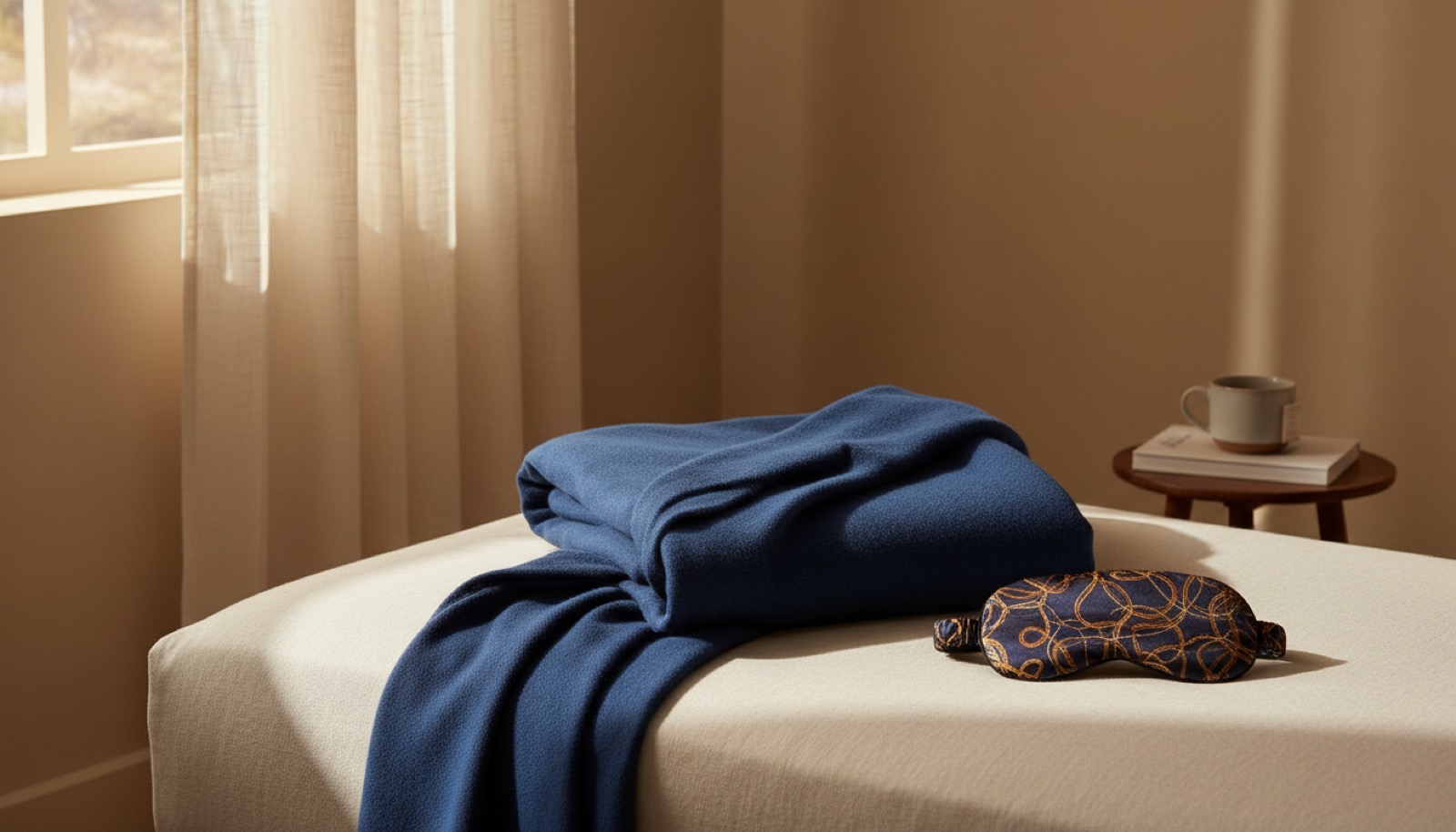
For daytime naps, ambient light is the main thing keeping you in light sleep. A true-blackout mask is the cheapest way to make a 20-minute nap actually work.
Check price · MantaThe dose-and-timing nap protocol: 10-20 min in the post-lunch circadian dip, why >30 min and post-16:00 naps backfire.
Questions logged on this protocol
What is the ideal power-nap length?
10 to 20 minutes. Brooks & Lack 2006 (Sleep) directly compared 5, 10, 20, and 30-minute naps after restricted nocturnal sleep and found the 10-minute nap produced the most immediate and broadest benefit to alertness and cognitive performance, with the 5-minute nap doing little and the longer naps incurring a period of post-nap impairment. The practical window most sleep researchers cite is 10-20 minutes, short enough to stay primarily in light NREM sleep (stage N1/N2) and out of slow-wave sleep. The exact crossover length into appreciable slow-wave sleep varies with individual sleep debt and time of day.
What is the best time of day to nap?
The early-to-mid afternoon, roughly 13:00-15:00, which coincides with the post-lunch circadian dip in alertness driven by the body clock (not by lunch itself). This is the trough in the circadian alerting signal that opposes accumulated sleep pressure, so sleep comes faster and the nap costs the least nighttime sleep pressure. Napping much later, after about 16:00, removes too much adenosine-driven sleep drive before bed and pushes sleep onset later (Dhand & Sohal 2006, Curr Opin Pulm Med). Optimal window shifts earlier for morning chronotypes and later for evening types.
Why am I groggy after a nap?
That grogginess is sleep inertia, the transient drop in alertness and performance on waking. It is worst when you wake out of slow-wave (deep) sleep, which is why naps longer than ~30 minutes are the usual culprit. Hilditch et al. 2017 reviewed the phenomenon and reported that sleep inertia typically lasts from a few minutes up to ~30 minutes, occasionally longer, and is more severe with greater prior sleep loss and when waking during the circadian night. Keeping the nap to 10-20 minutes keeps you in lighter sleep stages and largely sidesteps it.
Does the coffee nap actually work?
There is evidence for it. The approach is to drink ~200 mg of caffeine immediately before a short nap. Caffeine takes roughly 20-30 minutes to reach the brain and antagonize adenosine, so it begins working just as you wake, layering its alerting effect on top of the nap's. Hayashi et al. 1999 (Clin Neurophysiol) found that a short nap combined with caffeine improved alertness and task performance more than either the nap or caffeine alone. The mechanism is plausible and the timing is the whole trick: the caffeine has to be taken before, not after, the nap. Effect size depends on individual caffeine sensitivity and habitual intake.
Does napping ruin night sleep?
It depends on length and timing. A 10-20 minute nap in the early afternoon consumes relatively little of the adenosine-based sleep pressure you need for that night, so for most people it does not measurably harm night sleep. Long naps (>30 min) and late naps (after ~16:00) are the problem: both bleed off accumulated sleep pressure and can delay sleep onset and reduce sleep depth that night. The protocol exists precisely to capture the alertness benefit (Mednick et al. 2003 showed even daytime sleep can restore performance) without spending the sleep drive your night depends on.
Should people with insomnia nap?
Generally no. For chronic insomnia, daytime naps work against treatment because preserving daytime sleep pressure (sleep restriction and stimulus control) is a core mechanism of cognitive behavioral therapy for insomnia (CBT-I). Napping reduces the adenosine drive that helps consolidate sleep at night, which can perpetuate the cycle. If daytime sleepiness is severe enough to require a nap, that itself is worth raising with a clinician rather than self-managing with naps. Short, strictly-timed naps may be acceptable in some CBT-I protocols; this is a discuss-with-clinician decision, not a blanket rule.
- [01]
- [02]
- [03]
- [04]
- [05]
Other stacks in this hub
How to Improve REM Sleep: What Actually Raises It and What Just Wrecks It
You cannot force REM sleep directly, but several everyday habits quietly suppress it, and removing them is how you get more. What the research says about when REM happens across the night, why alcohol and short sleep cut it most, and why the single biggest lever is simply giving yourself enough time asleep in the early morning hours.
Is 7 Hours of Sleep Enough? What the Evidence Actually Says
Seven hours is the number most sleep authorities put at the bottom of the healthy adult range, which makes it enough for many people and too little for some. What the large studies and the official recommendations say about the 7-hour mark, why sleep need varies between people, and the honest signs that tell you whether your own 7 hours is sufficient or short.
How Much Sleep Do Women Need? Separating the Evidence From the Myth
A popular claim says women need more sleep than men. The recommended ranges are actually the same for both, but there are real, evidence-based reasons a woman's sleep can differ across the menstrual cycle, pregnancy, and menopause. What the guidelines say, what the sex-difference research does and does not show, and how life stage changes the picture.